
GLIMPSES ON CULTURAL EVOLUTION OF KERALA
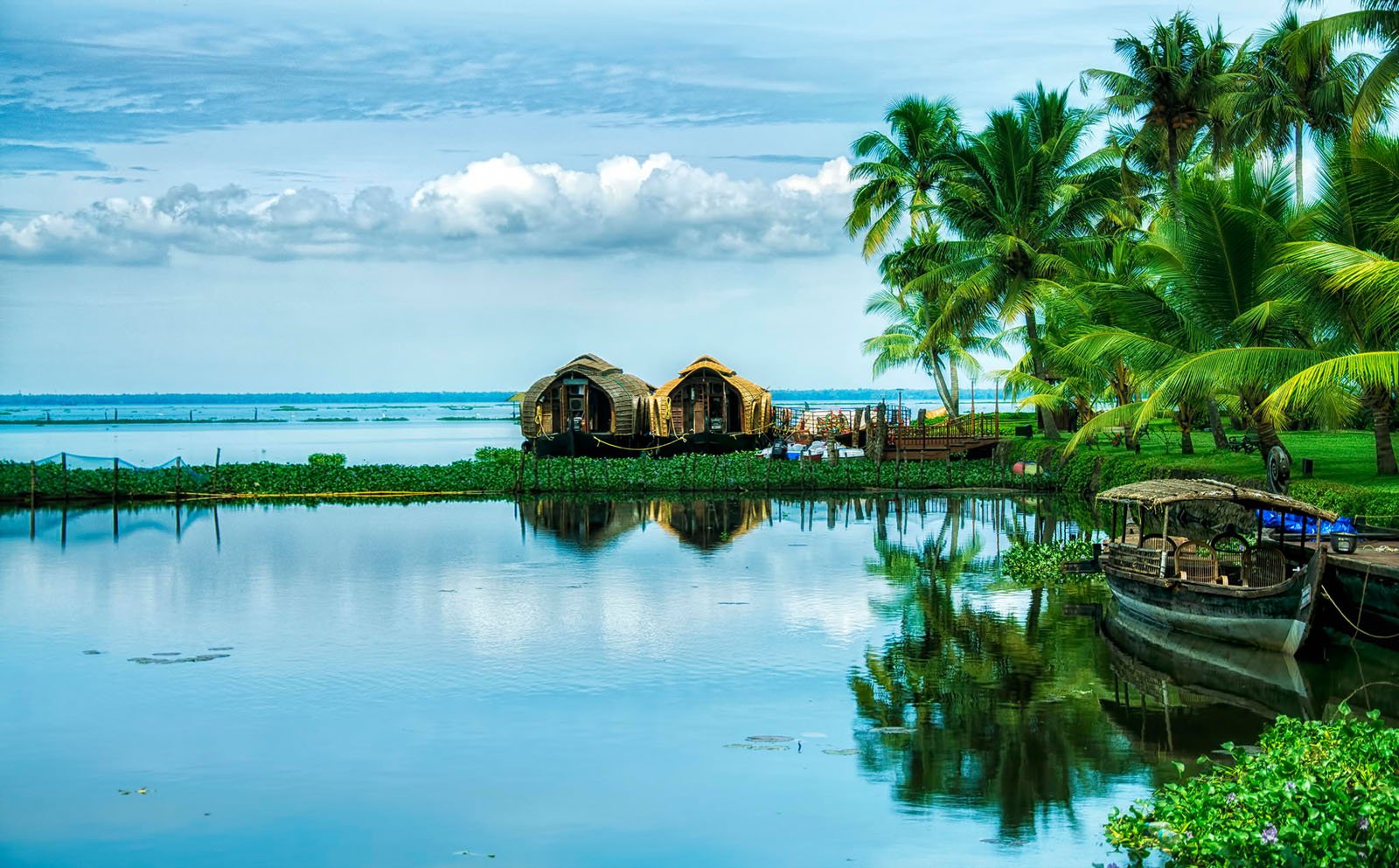
If you love to learn about culture, heritage, and centuries of history, then God’s Own Country has it all.
Kerala Formation Day, known as Kerala Piravi, is celebrated on November 1st every year to commemorate the formation of the state of Kerala. In 1956, Kerala was formed by merging the Malabar District, Travancore–Cochin, and the Taluk of Kasargod. On this day, people celebrate the rich culture, diversity, and unique heritage of their state. Kerala’s culture evolved from a blend of Dravidian and Aryan influences, tracing its origins back to the third century CE and its association with the ancient region of Thamizhagam. Key periods in Kerala’s history—such as the Chera dynasty and British rule—played a significant role in shaping the culture we see today. Expatriates and trade links with other countries have also contributed to this cultural landscape.
Kerala, a land of diversities, stands as a home to multifaceted cultures and lush greenery. It is a place where various religions coexist with harmony and tolerance. Kerala’s beauty is reflected not only in its scenic landscapes but also in its food culture and the warm behavior of its people. Keralites are widely known for their hospitality, kindness, and compassionate nature. Numerous travelogues mention how visitors are welcomed with delicious food and treated like family. Many unique cultural practices of Kerala are recognized worldwide and have been adopted in various parts of the globe. Within India, Kerala is considered one of the most culturally diverse states.
Kerala’s climate is another core factor that defines its beauty. Unlike many Indian states known for extreme heat or cold, Kerala enjoys a balanced climate that keeps its inhabitants energetic and resilient. The state’s majestic mountain ranges and vibrant greenery further enhance its appeal. Hill stations such as Munnar and Wayanad offer breathtaking views, while the Western Ghats play an essential role in shaping Kerala’s scenic terrain. Its food culture has also captured global attention, with flavors that traveled to countries like Portugal and Britain. The special way of serving food forms an integral part of this tradition.
Kerala is not just a destination—it is an experience that touches every heart that visits. Its harmony of nature, culture, and humanity creates a rare beauty that words can barely describe. The land symbolizes coexistence, compassion, and cultural pride, truly living up to the title “God’s Own Country.” Famous personalities and social reformers have also influenced the formation of Kerala’s culture. Various dynasties, including the Cheras, Cholas, and Pandyas, contributed greatly to its cultural legacy. Festivals, traditions, and royal feasts helped mold the lasting cultural identity of the region.
Every district in Kerala carries a long-standing story or legend behind its name, shaped by cultural events, historical narratives, and local folklore. Historically, Brahmin settlements and temple-centered communities played a central role in shaping early cultural life. Over time, social reforms and the works of noble individuals transformed society, adding depth and diversity to Kerala’s traditions. In the realm of food and art, Kerala has absorbed significant global influences. The people of Kerala—especially women—are known for their remarkable culinary skills, seen in dishes such as payasam and coconut chutneys. Historians like Ibn Battuta described Kerala as the “land of spices.”
In conclusion, from the harmonious coexistence of diverse religious traditions to the enduring legacy of classical arts, Kerala’s socio-cultural evolution reflects both continuity and transformation. The confluence of Dravidian heritage, Aryan refinements, and global influences has shaped a civilization that is both resilient and adaptive. In modern times, Kerala continues to stand as a model of social progress, literacy, and communal harmony. Its achievements in education, healthcare, and gender equality have earned global admiration. The spirit of Kerala Piravi reminds every Malayali of their shared identity, unity in diversity, and the ongoing journey toward cultural enrichment and social justice. As Kerala moves forward—embracing innovation while preserving tradition—the essence of “God’s Own Country” remains deeply rooted in its people’s values, wisdom, and enduring pride.