
Incredible India: A Timeless Tapestry of Heritage and Harmony
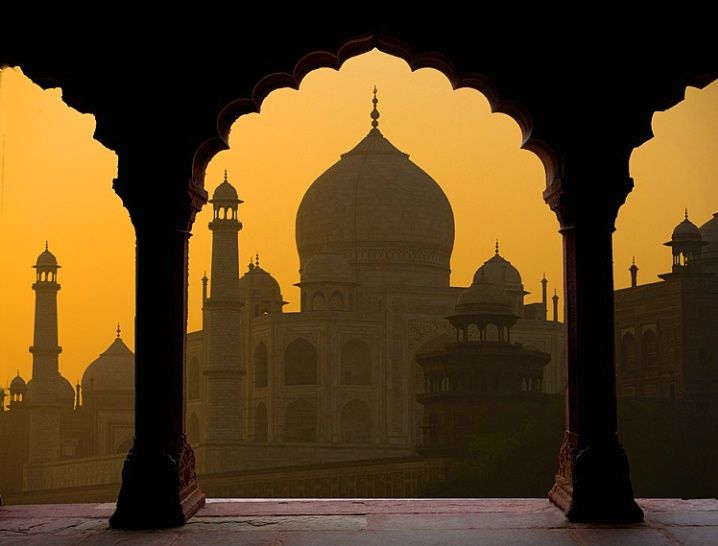
The true treasures of India as a tourist destination lie within its rich historical and cultural heritage. India is not just a country; it is a subcontinent of civilizations, a living museum where the past and present come together in a vibrant, colorful mix. Every region, state, and part of India has its own unique culture, adding to a large, varied identity. The Mosaic of Culture and Unity in India showcases a wide range of traditions, languages, festivals, beliefs, and rituals. From the folk songs of Rajasthan to the classical Carnatic music of the south, and from the lively Bihu dance of Assam to the energetic Bhangra of Punjab, the country offers distinct ways of living and dressing everywhere. No other country in the world has such stark differences and immense diversity while still maintaining a sense of unity. This rich social fabric stems from centuries of history. Different lifestyles have developed, hundreds of dialects and languages have been adopted, and styles of dress—from the Sari to the Salwar, and the Dhoti to the Phiran—have evolved under the influence of various ruling dynasties. Whether under the Mauryas, the Guptas, the Mughals, or the British, India absorbed these influences to create a culture that is inclusive and strong. Geographical Splendor: The Head and the Arteries In India, everything feels both exotic and familiar. The country’s geography is a natural wonder. The snow-capped Himalayas, standing like ancient guardians, crown the northern part of the country. These impressive peaks are more than just mountains; they give rise to the mighty rivers—the Indus, the Ganges, and the Yamuna—along with their many tributaries. Wonderful places can be found in both northern and southern India, offering a variety of climates and landscapes. The rivers flow across the country like arteries, providing essential life to the nation. They support agriculture, shape the spiritual lives of the people, and nurture diverse ecosystems throughout the year. From the arid deserts of the west to the lush, tropical backwaters of the south, the landscape shifts every few hundred kilometers, giving travelers fresh visual experiences. Architectural Marvels: The Taj Mahal. When searching for beautiful places filled with architectural wonders, India stands out. Among its many forts, palaces, and temples, the top attraction remains the Taj Mahal in Agra. It serves as a timeless symbol of Mughal romance and reflects an emperor's belief in love. Its stunning architecture and beauty draw tourists from all over the world. People can't help but gaze in awe at this romantic structure. Built with white marble that seems to change colors with the light from the sun and moon, it showcases the perfect blend of Persian culture and Indian craftsmanship. Its detailed inlay work and symmetrical gardens highlight an architectural excellence that secures its place among the Seven Wonders of the World. The Future: Eco-Tourism and Responsibility. However, India's beauty is delicate. Over the years, we have embraced eco-friendly tourism. This shift means that while promoting tourism to boost the economy, we must also recognize the importance of ecological balance. The rush to the Himalayas or the beaches of Goa should not harm the environment. India’s diverse culture surely offers a "paradise for tourists." To maintain this paradise for future generations, we need wise and responsible policies. We must provide tourists with excellent infrastructure while strictly enforcing rules that protect our heritage sites and natural reserves. By balancing modern travel needs with ancient preservation, India can continue to welcome the world with its enduring motto: Atithi Devo Bhava—the guest is God.