
The Monster Myth: Media, Manipulation, and the Muslim Identity
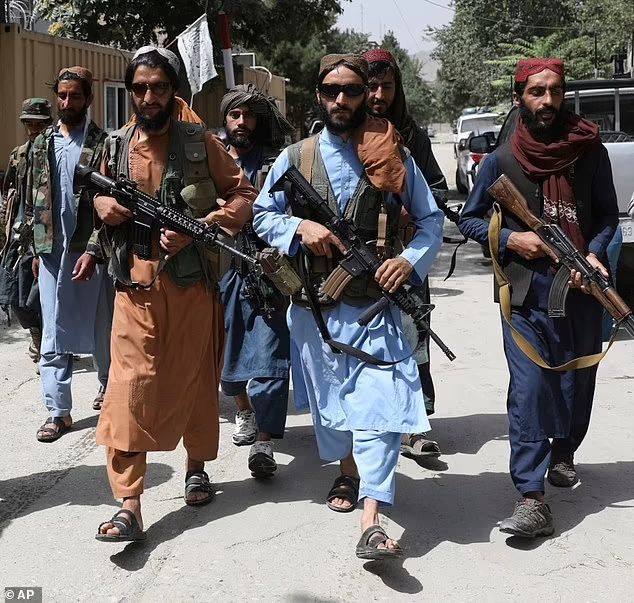
The widespread association between Islam and terrorism is largely a product of misrepresentation rather than reality. While over two billion Muslims worldwide live peaceful lives, media coverage often highlights only a small number of violent incidents linked to individuals claiming to follow Islam. This selective focus creates a false impression that the religion promotes violence. Such portrayals are shaped by political interests, historical biases, and cultural misunderstandings, contributing to the persistent global stereotype of Muslims as inherently dangerous.
One major factor behind this distortion is how news is reported. When violent acts are committed by Muslims, the media frequently emphasizes the perpetrators’ religious identity. In contrast, similar actions by non-Muslims are often described by the media as isolated incidents, mental health issues, or personal grievances. Over time, this double standard has produced the perception that terrorism is disproportionately linked to Islam, despite evidence to the contrary. Studies have shown that attacks by Muslims receive significantly more coverage than equally serious incidents carried out by non-Muslims, creating an exaggerated sense of threat.
Political agendas also play a vital role in sustaining such narratives. Conflicts in the Middle East and the broader "War on Terror" have provided media outlets with a steady flow of stories portraying Muslim-majority societies as unstable or violent. Edward Said, in Orientalism (1978), demonstrated how Western scholarship and media have historically portrayed Eastern cultures as irrational or threatening—a view that continues to influence contemporary reporting. Similarly, books such as Samuel Huntington’s The Clash of Civilizations have contributed to framing Muslims as a monolithic "other," reinforcing public fear and misunderstanding.
Popular culture further amplifies these biases. Films, television shows, and literature often depict Muslims and Arabs as villains or extremists. Jack Shaheen’s Reel Bad Arabs documents hundreds of examples where cinema has consistently presented Arabs and Muslims in negative roles. These repeated fictional portrayals shape audience expectations, making people more likely to associate real-world Muslims with terrorism before they even encounter factual news.
Despite these pervasive stereotypes, Islam explicitly condemns the killing of innocent people. The Qur’an (5:32) states that taking one innocent life is equivalent to taking the lives of all human beings. Prominent Islamic scholars and international declarations, such as the Amman Message (2005) and the Marrakesh Declaration (2016), firmly denounce terrorism and emphasize justice, mercy, and peaceful coexistence as core principles of Islam. Extremist groups that commit violence represent political motives and distorted interpretations, not the true teachings of the faith.
Repetitive and sensationalistic media reporting also contributes to Islamophobia. People often form opinions based on what is most visible or emotionally striking rather than on facts or personal experience. Fear and misinformation combine to create widespread prejudice, discrimination, and mistrust toward Muslim communities, even in places where Muslims are a small minority.
In conclusion, the link between Islam and terrorism is a constructed narrative shaped by selective media coverage, political agendas, cultural bias, and popular culture. It is not based on theology, history, or statistical realities. Understanding this distortion requires careful and critical analysis of media practices and a more accurate representation of Muslim voices. By highlighting the peaceful and diverse reality of Muslim life, society can begin to dismantle harmful stereotypes and recognize that Islam, followed by billions worldwide, is a religion rooted in ethics, justice, and compassion—not terrorism.