
THE 2025 BIHAR ASSEMBLY ELECTIONS: AN ICON OF CONFUSION
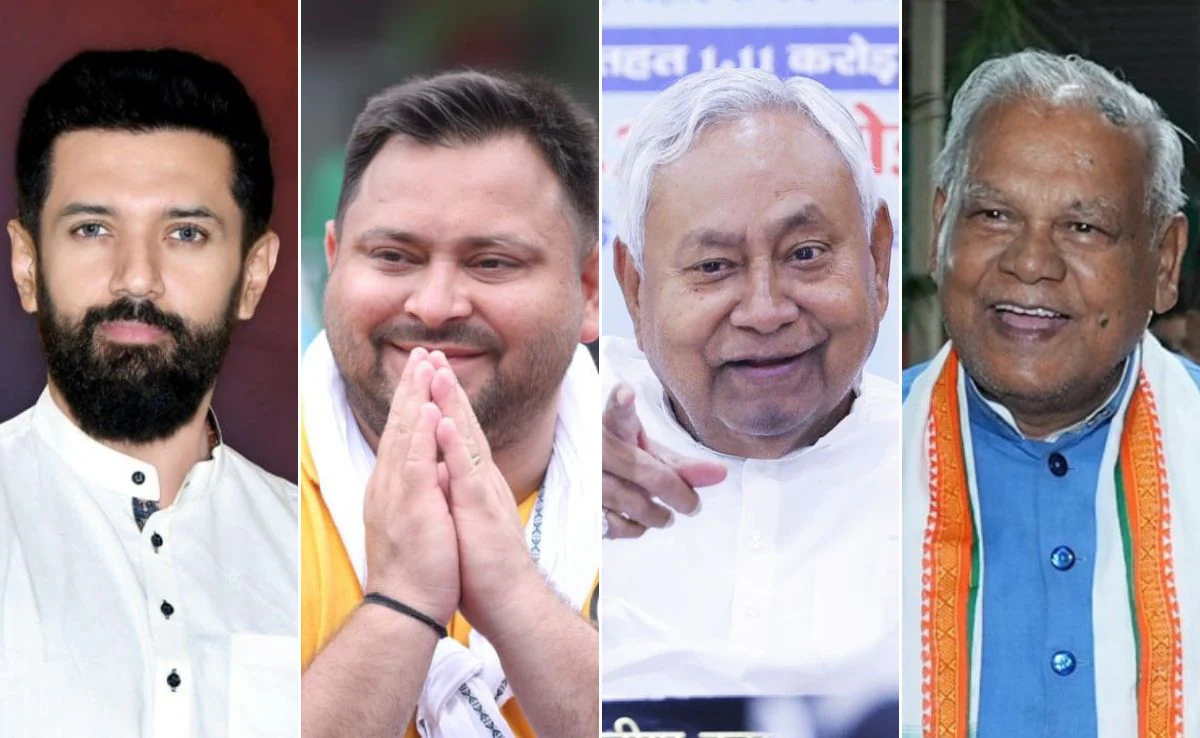
Why are the 2025 Bihar Elections being called an icon of confusion? Explore the results, reforms, political shifts, and voter trends shaping Bihar’s future.
The 2025 Bihar Assembly election was a watershed in the political landscape of India’s third-biggest state. Bihar is pluralistic and complex in its social formation. For the 243 Assembly seats, elections are very essential for their ensuring good governance, development, and financial stability. Even though this election had many unconvincing results and outcomes, it strengthened the electoral participation and the role of technology in democracy.
Overview of Election:
These elections were conducted in two phases: on 6th and 11th November, and the counting of votes is was scheduled on for 14th November.
There was were an overall electorate voter base of 7.42 crore voters, with a record number of women participating. Bihar accounted for a voter turnout of 66.91% in the second phase, the highest ever since 1951 in the state for the state.
The outcome was a comprehensive victory for the NDA. BJP and Janata Dal secured 202 of the 243-member House seats out of 243, They established it as the party’s marking their best performance in the history of Bihar’s Assembly.
Electoral Reforms
In this regard, the ECI put introduced 18 new initiatives to make for making elections free, fair, and transparent.
For voters, the number of voters per booth was reduced from 1,500 to 1,200; polling stations were increased in dense areas, and mobile phone deposit facilities at counters reduced long and busy queues. Over 40 election-related services were integrated into a unified digital platform called “ECIN.” Webcasting from at all polling stations has further increased transparency. These changes demonstrate how technology increasingly supports democratic processes and facilitates by facilitating greater participation by electors among citizens.
Election Analysis and Implications
A brief look at how the 2025 Bihar Assembly Elections turned into a symbol of political confusion and unpredictability.
The record female voter turnout highlights the growing outcomes the growing influence of women voters.
Meanwhile, the GDA’s emergence points to potential political realignment in the coming years, challenging the traditional two-front system.
Nationally, Bihar’s results cement the NDA’s political position and strengthen the influence of Prime Minister Narendra Modi. As for opposition parties, this same election of cheating claims of electoral discrepancies reinforce their need to take up socioeconomic issues more effectively and to connect with a larger demographic.
In addition to the political outcomes, the 2025 Bihar election highlighted the growing impact of youth participation in shaping electoral behaviour behavior.
A significant number of first-time voters engaged actively in campaigns, debates, and digital awareness initiatives. Their involvement reflects a changing political consciousness in Bihar, where young citizens are increasingly aware of governance issues, employment challenges, and development gaps. This shift signals a maturing democracy in which the youth are not just voters but active contributors to political discourse.
Another important aspect of this election was the increased use of social media and digital platforms for campaigning. Political parties employed online rallies, interactive sessions, and targeted digital outreach to connect with diverse communities across rural and urban Bihar.
This digital mobilisation played a crucial role in influencing voter awareness, especially in remote districts where traditional campaigning often falls short.
The growing reliance on digital tools underscores the transformation of India’s electoral culture and the expanding role of technology in shaping political narratives.
Conclusion
The 2025 Bihar Assembly election epitomizes the maturing process in India democratically of democratic processes in India.
Bihar set a new order set a new benchmark for electoral engagement and transparency with strong voter participation.