
Chadar Offering to Ajmer – An Act of National Harmony
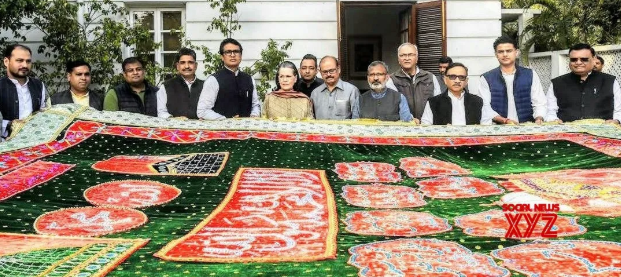
Discover the centuries-old tradition of chadar offering at Ajmer Sharif Dargah, embraced by Indian leaders and global dignitaries as a symbol of national harmony.
Khwaja Moinuddin Chishti was a prominent Sufi saint and spiritual figure who lived, died, and was buried in Ajmer, India. There is a widespread faith among his followers that he is a spiritual figure attributed with significant miracles and influence over India even after his death. Many devotees believe that he is the spiritual protector of India, and that his blessings and spiritual presence positively influence the land, its people, and its rulers.
Chadar Offering
The dargah of Khwaja in Ajmer has been a spiritual center for centuries, visited by both Muslims and non-Muslims who seek the blessings of the saint buried there. Rulers also sought blessings for their reign.
The Urs festival, commemorating Khwaja’s death anniversary, draws millions of people from all backgrounds every year. Among its traditions is the chadar (sacred cloth) offering to the dargah. The tradition of offering a chadar dates back over 800 years and is considered an act of devotion and humility. Rulers offer the chadar as a prayer for the nation’s peace.
Offering a chadar to the Ajmer dargah is an act of reverence (ziyarat) with deep spiritual overtones, symbolizing the devotee’s submission to the teachings of Khwaja Moinuddin Chishti.
Indian Prime Ministers and Ajmer Dargah
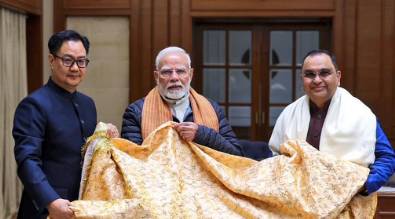
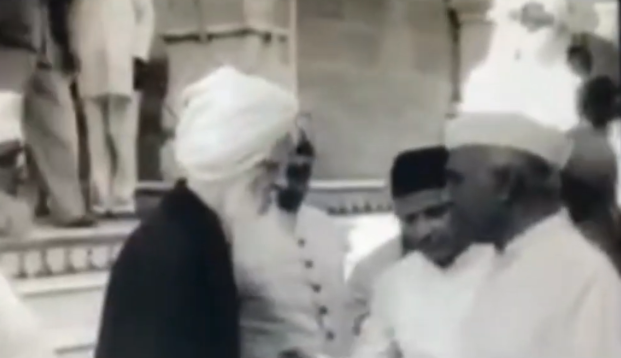
Since Independence, every Indian Prime Minister has sent a chadar to the Ajmer dargah during the annual Urs, regardless of personal faith. Leaders such as Jawaharlal Nehru, A. B. Vajpayee, Sonia Gandhi, and Narendra Modi have upheld this gesture as a secular cultural tradition that transcends party lines. Prime Minister Modi has made this offering every year since he took office in 2014.
The participation of Prime Ministers in this tradition reflects a commitment to the nation’s pluralistic spiritual identity.
Foreign Dignitaries at Ajmer Dargah
Many foreign leaders have visited and offered chadar at the Ajmer dargah for their nation’s peace, humility, and coexistence.
Former American President Barack Obama sent a ceremonial chadar during his presidency, though he did not visit the dargah. He was the first head of a non–South Asian country to do so.
Pakistani leaders such as Asif Ali Zardari, Zia-ul-Haq, Pervez Musharraf, Benazir Bhutto, and Raja Pervez Ashraf have made pilgrimages and also offered chadar at the shrine.
Former Afghan President and 2006 UN Secretary-General candidate Ashraf Ghani also sent a chadar in 2021.
British dignitaries such as Queen Mary and Lord Curzon visited and paid tribute to the saint buried there. Queen Mary also funded the construction of a hauz (a tank where people take ablution), which is named after her.
Sheikh Hasina of Bangladesh has also visited the dargah and sought the blessings of Khwaja.
Conclusion
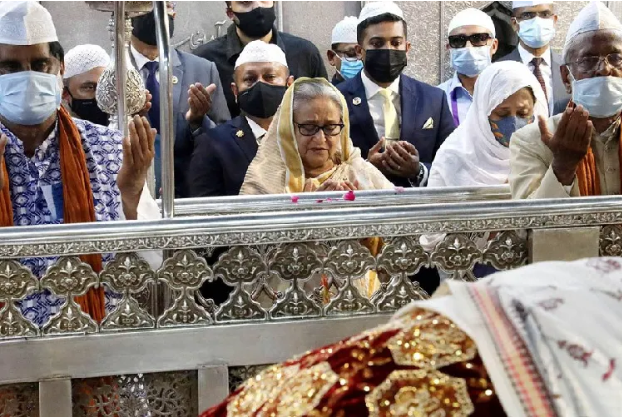
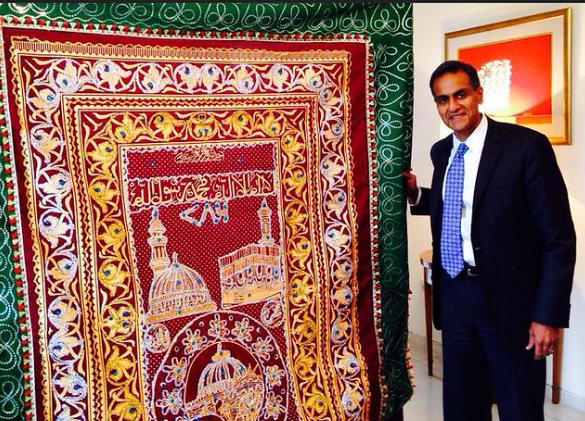
Ajmer Sharif Dargah stands as a symbol of spiritual unity and harmony in India. The annual chadar offerings by both Indians and non-Indians represent a spiritual gesture as well as a powerful statement of national inclusivity.
Visits and offerings by foreign leaders reflect its stature as a globally recognized locus of peace and understanding. Ajmer Dargah’s spiritual and cultural legacy continues to inspire efforts toward harmony and unity both within India and across the world.