
The Mirror of Disillusionment
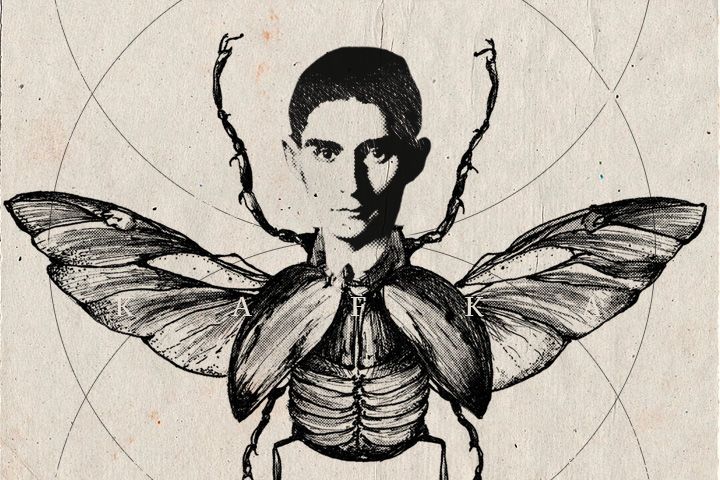
Franz Kafka, one of the most influential writers of the 20th century, likely never imagined that his seminal work, The Metamorphosis, would garner such immense appreciation and criticism simultaneously. The story follows a traveling salesman, Gregor Samsa, who wakes one morning to find himself transformed into a giant insect. Initially startled and clinging to the belief that the transformation will reverse itself, he soon realizes it will not. By weaving surrealistic elements throughout the novella, Kafka creates an allegorical narrative steeped in dark humor and profound disillusionment.
As Karl Marx defines it, the theoretical framework of alienation aligns perfectly with Gregor’s ordeal. In the first phase of his transformation, Gregor is plagued by self-doubt and the agonizing fear of how his family will respond to such an unprecedented occurrence. This is the stage where the harsh realities of disillusionment strike his consciousness most forcefully. Ultimately, and perhaps most surprisingly, his family adapts to his eventual death not with shock, but with a sense of relief and escapism.
I have often pondered the cognitive hurdles writers face when illustrating such logically driven, yet absurd, circumstances. Do writers necessarily have to translate their personal experiences into creative fiction? I think not. Many readers misinterpret these works, falsely assuming that the literature is a mere carbon copy of the author's real-life incidents. I find myself unable to agree with such reductive interpretations.
Ultimately, what makes The Metamorphosis so enduring is the lens Kafka used to depict the narrative. There is no melodrama, no "beating around the bush," and no vacuous prose; even his lengthier sentences are imbued with significant meaning. This signature style—often described as Kafkaesque—is equally potent in his other prominent works. In The Trial, we see the terrifying helplessness of an individual caught in a labyrinthine, irrational bureaucracy, while The Castle explores the futility of seeking recognition or belonging in an unreachable system. Even in his short stories like "In the Penal Colony," Kafka’s clinical, detached prose makes the horrific elements of his world feel disturbingly mundane.
This ability to treat the impossible with the cold logic of a legal document is precisely what gives his work its haunting power. He does not ask the reader to believe in magic; he asks the reader to acknowledge a reality where the irrational has become the law. It is this intersection of the everyday and the nightmare that bridges the gap between creative fiction and the psychological truths of the human condition.
Fortunately, his friend Max Brod did not burn Kafka's manuscripts as he was instructed to do. Brod’s recognition of their value transformed those overlooked papers into gems of the world's literary treasury. George Steiner’s adage remains remarkably accurate: “What Dante and Shakespeare were for their ages, Kafka is for ours.” Indeed, he is.