
Reality Rewritten Daily
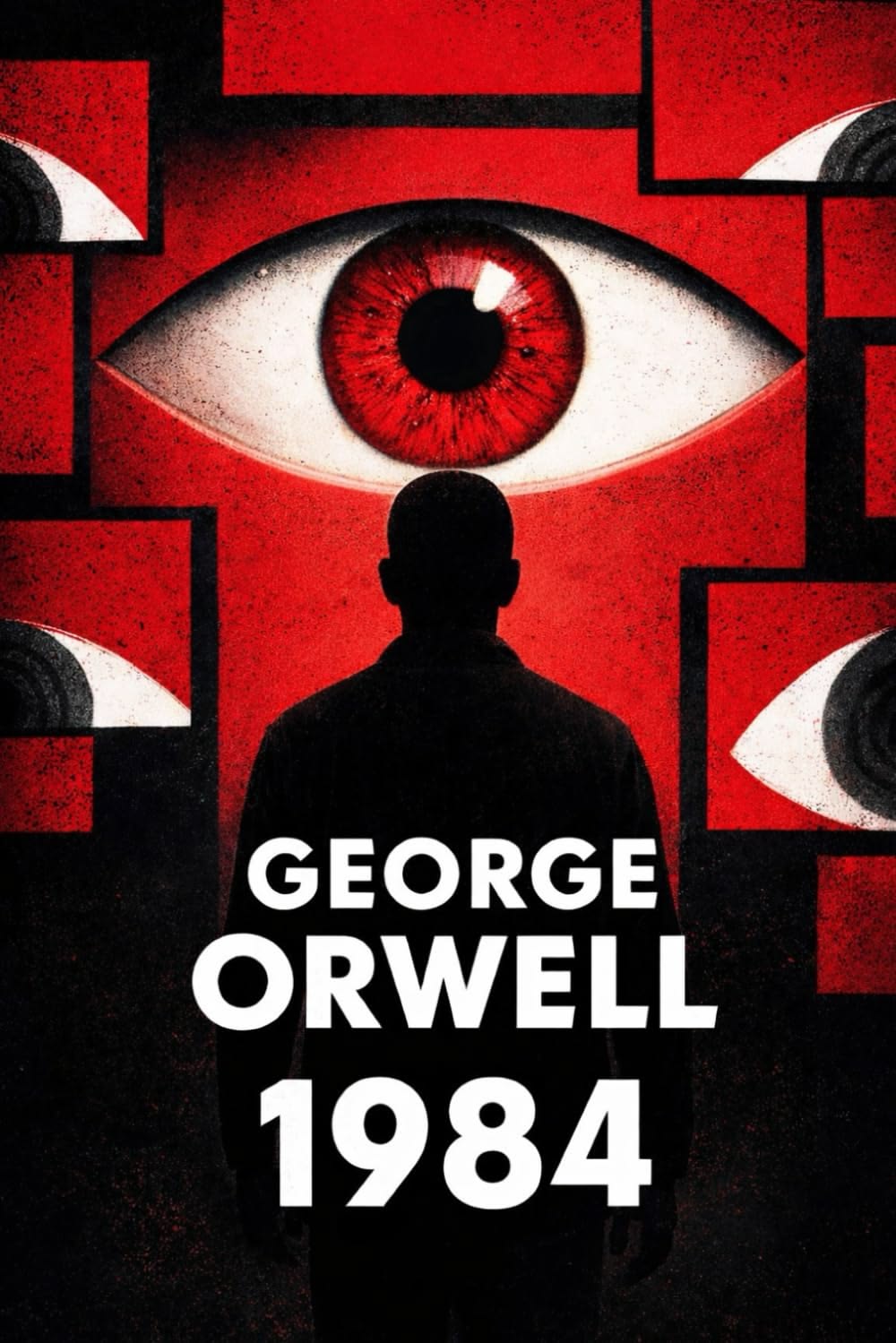
And if all others accepted the lie which the party imposed – if all records told the same tale – then the lie passed into history and became truth." This haunting adage from George Orwell’s 1949 masterpiece, 1984, remains one of the most significant political autopsies of the post-war era. Orwell crafts a harrowing narrative that explores the absolute erosion of objective reality within a world divided into three warring, power-hungry superpowers: Oceania, Eurasia, and Eastasia. These monolithic entities exist in a state of perpetual, manufactured conflict, a geopolitical chess match intended to justify the internal oppression of their citizens. Within the borders of Oceania, society is strictly stratified. The ruling faction, known simply as the Party, exerts total control over the Inner and Outer Party members, while the vast majority of the population—the Proles—are marginalized, living in a state of impoverished ignorance, viewed by the elite as little more than animals.
The protagonist, Winston Smith, serves as our guide through this bleak landscape. As a member of the Outer Party, Winston works within the ironically titled Ministry of Truth, where his primary duty is the systematic destruction of the past. He is a skilled writer, yet his profession is a hollow decay of talent; he spends his days editing historical news articles and archival documents to ensure they align perfectly with the Party’s ever-shifting, self-driven ideologies. This creates a terrifying, puffed reality where the state possesses the power to rewrite history at will, demanding that its subjects practice "doublethink"—the psychological act of accepting two contradictory beliefs simultaneously. The implausibility of the Party’s world lies in this total subversion of the individual in favor of a collective, hive-mind identity that overlooks personal humanity.
The most chilling aspect of the story is the imposition of power over the human mind itself. In Oceania, the Thought Police act as a constant, invisible presence, tasked with bringing culprits of "thoughtcrime" under total surveillance. They keep a predatory eye out for anyone who dares to think in unorthodox ways or harbors the slightest spark of rebellion against the absolute authority of Big Brother, the enigmatic head of the Party. This surveillance ensures a forced conformity, where subjects must pledge a loyalty that is not merely performative but internal. Through the promotion of subjective ideologies, the Party implements a form of propaganda so total that it effectively murders the concept of truth. By controlling the present, the Party successfully captures the past, ensuring that any hope for a different future is strangled by the weight of a manufactured reality.