
The Mirage of Mission Accomplished: A Fifteen-Day Anatomy of the Gulf Conflict
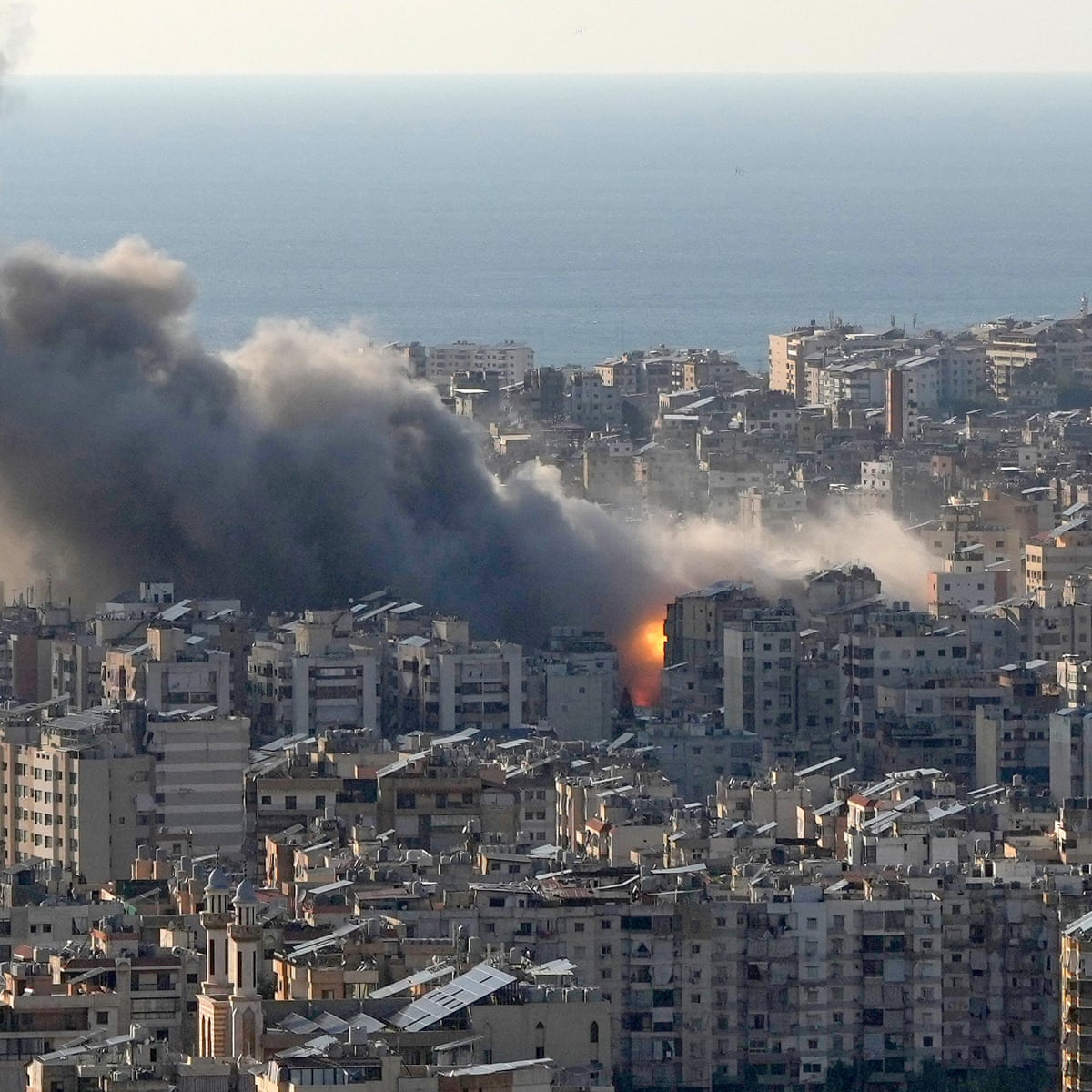
The war was initiated by an overwhelming show of force meant to ensure a swift surrender. In the first days of the war, the US and Israel unleashed a massive, coordinated attack of over two thousand airstrikes in Iran. Their strategy was to use swift decapitation, successfully eliminating all of Iran’s conventional air force, sea force, and radar systems. This swift show of force also involved a direct attack on the Supreme Leader’s residence, killing him and his immediate family to create a swift political vacuum. At the same time, the war was also spilling over into neighboring countries as Israel initiated a ground invasion into southern Lebanon, resulting in the displacement of hundreds of thousands of people. In the process, the war took a devastating humanitarian toll in the first days of the war. A school in Minab was attacked, killing over a hundred and sixty young girls and staff, leading to swift international condemnation and accusations of war crimes by the UN.
Instead of this, the entrenched military and political establishment of Iran retreated to its long-planned asymmetric strategy. Within the first week of the war, Iran unleashed swarms of drones and ballistic missiles against the US military bases and the Gulf countries. The drones and missiles hit targets in the United Arab Emirates, Saudi Arabia, Bahrain, and Qatar. The skies over Tehran were blackened with noxious black rain as the US and Israeli militaries targeted major Iranian oil refineries. Yet, the Iranian establishment quickly recovered. The appointment of the hardline cleric Mojtaba Khamenei as the new Supreme Leader was quickly arranged. This move united the Iranian government, clergy, and the Revolutionary Guard. This move was significant as it was designed to ensure that the Iranian establishment continued to function even after the death of its leader. By the second week of the war, the physical war had escalated into a worldwide economic crisis. Using sea mines and small attack craft, Iran had essentially shut off the Strait of Hormuz, shutting off a fifth of the world’s energy supply. This had a disastrous effect on the world economy as oil prices went past one hundred dollars a barrel. The effect was so great that European countries started to aggressively pursue nuclear power once again. The war had also escalated to the corporate level. The Iranian Revolutionary Guard announced that major American and Israeli technology firms and financial institutions were now legitimate military targets after an airstrike hit its oldest bank. As the fifteen-day mark of the war was nearing, the United States escalated the war by bombing military targets on Kharg Island, which was the primary Iranian oil export location. The United States also sent thousands of Marines to the region as Russian President Vladimir Putin attempted to broker the use of Iranian enriched uranium.
Throughout this rapid escalation, the American administration had been operating under a fundamentally flawed notion of what it meant to win the war. The White House had been operating under the assumption that, as long as the head of state had been killed and the traditional military hardware had been destroyed, the enemy would immediately surrender. However, this narrative failed to take into account the intelligence that had been gathered within the country, which had clearly stated that Iran had a decentralized clerical and military structure that had been designed to survive such an assault.
The problem, therefore, was that the administration had fundamentally underestimated the effect that such an unconventional war would have, as it successfully brought global trade to a standstill while losing the entire Iranian naval force. The problem, therefore, was that the administration had fallen into a fundamental contradiction. The president had been elected on the notion that he wanted to bring an end to foreign wars, only to engage in the largest war in the Middle East without congressional approval. As American soldiers began to return home in coffins and global trade began to buckle under the strain of the blockade, the notion of a clean and swift victory was completely overshadowed by the reality of a new, deeply entrenched war.