
Sudan’s Civil War: An Uncertain Future for the Nation
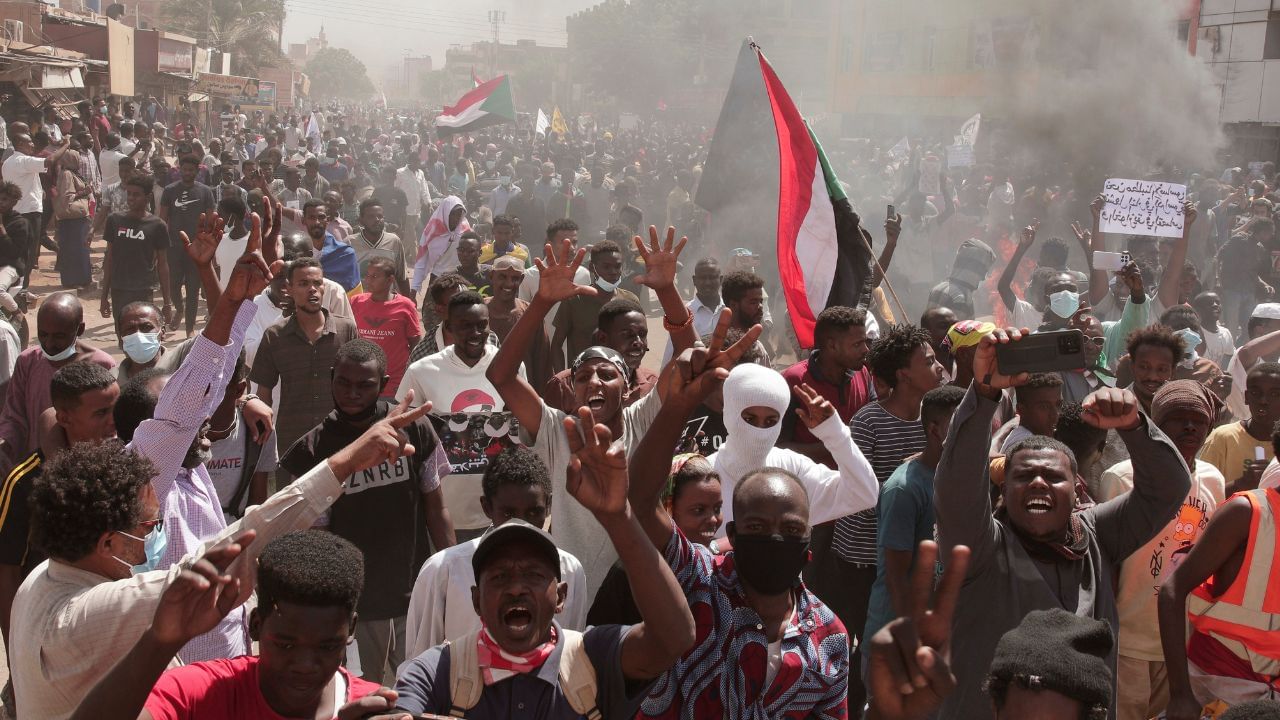
Sudan faces an uncertain future as war between SAF and RSF intensifies. Discover the causes, human toll, regional threats, and hopes for peace.
Sudan has been gripped by a brutal civil war since April 2023, rooted in a power struggle between its military (the Sudanese Armed Forces, SAF) and a powerful paramilitary group known as the Rapid Support Forces (RSF). What began as a political disagreement soon escalated into a full-blown conflict, tearing apart major cities and displacing millions.
THE HUMAN TOLL:
The humanitarian situation in Sudan is now one of the worst in the world. According to the UN and other international organizations, over 30 million people are in urgent need of aid. Nearly 13 million people have already fled their homes, and many are surviving in makeshift camps. Basic services like healthcare, clean water, and food are in short supply as infrastructure collapses.Particularly worrying is the situation in Darfur: when the RSF captured El Fasher, reports emerged of mass killings and atrocities. The RSF also carried out a drone strike on a hospital in El Fasher, killing dozens and sparking international condemnation.
A PARALLEL AUTHORITY AND GROWING DIVISION:
In a bold move, the RSF declared its own “Government of Peace and Unity,” challenging the army-led administration under General Abdel Fattah al-Burhan. This new government is backed by a transitional constitution and a 15-member council meant to represent Sudan’s regions — a sign that the RSF may be aiming for more than just military control.Analysts warn that this could cement Sudan’s division, possibly creating de facto partition along regional lines.
REGIONAL IMPACT:
Sudan’s war is not just a domestic crisis — its effects are felt across East and Central Africa. More than 3 million people have fled to neighboring countries, straining resources in nations like Chad, Egypt, and South Sudan. The influx of refugees is putting pressure on basic services, while cross-border tensions and weapon flows are increasing insecurity in border regions.
WHY IT’S SO COMPLICATED:
This is not a simple civil war; it’s deeply entangled with regional power plays and external interests. Some reports suggest that the RSF is receiving backing from outside actors who want influence in Sudan. Meanwhile, the country’s infrastructure has been ravaged — hospitals, roads, and markets have been destroyed, and famine is a real danger for many.
THE PATH FORWARD:
A genuine resolution will require more than just a ceasefire. It needs international coordination, humanitarian access, and a political agreement that includes civilian voices. Without these, the suffering is likely to continue — and so are the risks of lasting fragmentation.Despite the deep wounds left by the ongoing conflict, Sudan’s story is not one of despair alone. The resilience of its people, the constant efforts of humanitarian workers, and the growing global attention offer a small but important hope.Lasting peace will depend on sincere dialogue, regional cooperation, and a commitment to protect civilians above political interests.