
Ezhimala in the History of Indian Ocean Piracy
1.1 Introduction
The Indian Ocean was one of the most important trade routes in the ancient world. It connected countries like India, Arabia, East Africa, and Southeast Asia. Traders travelled across the ocean carrying spices, silk, gold, pearls, and other valuable goods. Because of this rich trade, pirates became active and attentive in the Indian Ocean world.
Pirates attacked merchant ships to steal valuable items. They waited near ports and coastal areas where ships usually moved slowly. The Arabian Sea, the Malabar coastal areas, and the Strait of Malacca were the famous arenas for pirate activities. Usually, the pirates used small and fast boats to trigger sudden attacks upon large trade ships.
Ancient merchant ships did not have any strong protection; because of that, the pirates could easily loot them. They stole goods like gold, silver, pearls, etc., and sometimes damaged the ships. Greek and Roman authors also mentioned the danger of pirates during the journey from Rome to India.
Many kingdoms had created naval forces to protect trade and to stop piracy. South Indian rulers, especially the Chola kings, developed a strong naval system to protect traders and to keep the trade routes safe. Traders also travelled in groups to protect themselves. Some rulers even arranged guards for trade ships.
1.2 Famous pirate incidents in history
There are some incidents which are unforgettable from the history of piracy in the Indian Ocean world. The paragraphs below describe each incident.
In 1695, English pirate Henry Every attacked the Mughal ship Ganj-I-Sawai near the Arabian Sea. The ship was carrying a huge amount of gold, silver, and pilgrims returning from Hajj. This became one of the richest piracies in history and bewildered the Mughal Empire.
The pirate captain attacked Mughal trade ships in the Red Sea. His attacks showed how dangerous the Indian Ocean trade routes had become.
Many ships carrying Muslim pilgrims between India and Arabia were attacked by pirates because they often carried money and valuable things. These attacks caused anger among leaders and traders across the Indian groups.
Chinese pirate fleets entered Asian seas connected to the Indian Ocean trade. They attacked ships which were carrying valuable silks, ceramics, and spices. These pirate attacks were carried out by various pirate captains.
Kanhoji Angre’s fleet attacked the British ship Algerine near the Konkan coast. British officers were captured as prisoners, and they paid a huge amount of ransom to be released from there. This incident embarrassed the British East India Company.
During the sixteenth and seventeenth centuries, pirates often attacked Portuguese trading ships near Goa and the Arabian Sea. These ships carried spices, gold, and expensive things, which made them attractive targets. This piracy was carried out by different pirate captains.
1.3 Incident of Ezhimala
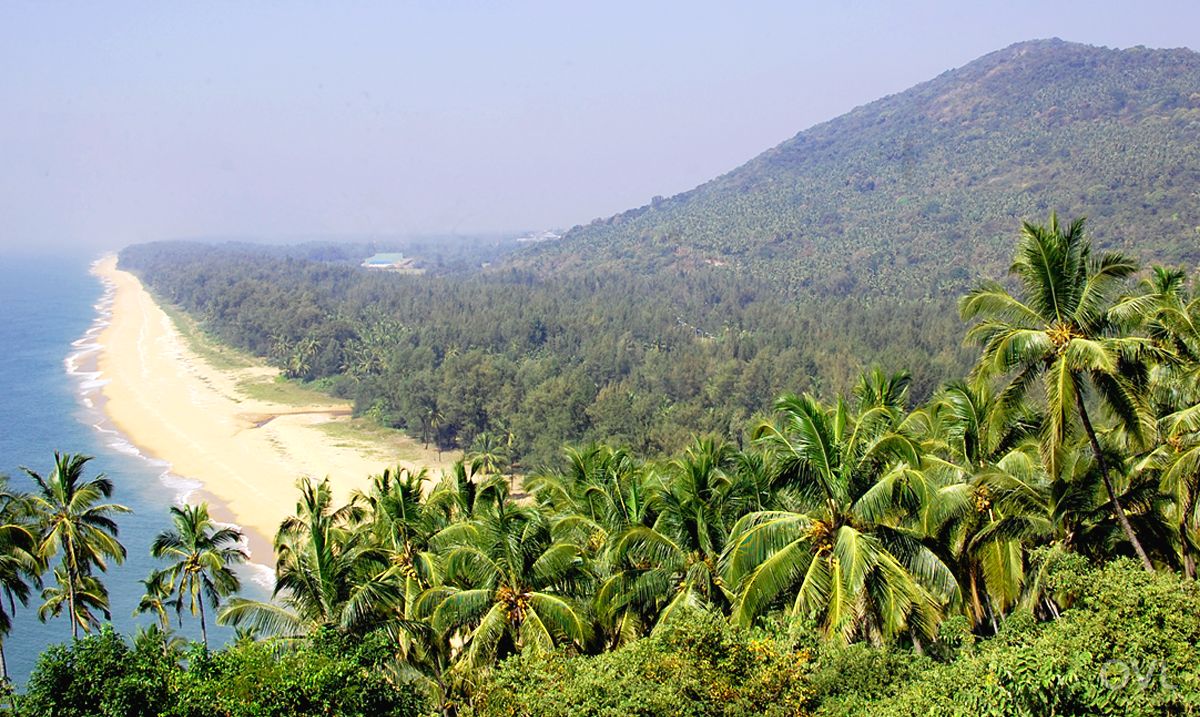
Ezhimala was a famous coastal area in ancient Kerala. It had a natural harbour, and it was a very important area for trade across the Arabian Sea. Traders from Arabia, China, and many other countries came here to buy spices like pepper, cardamom, and cinnamon. Because many ships travelled through this route, the sea near Ezhimala began to become dangerous with piracy and sea attacks.
In 1502, the Portuguese were trying to control the spice trade in Kerala. The Portuguese explorer Vasco da Gama came to India with a large naval fleet. He wanted to stop Arab traders from controlling the spice business. The Malabar coast, including Ezhimala and Kannur, became an area of conflict.
At that time, piracy meant attacking ships to steal cargo, money, or valuable things. Pirates and some naval fleets stopped merchants and robbed spices, gold, silk, and other things. The Arabian Sea routes near Ezhimala were very busy, so pirates often targeted ships there.
One of the most terrible and unforgettable events happened in 1502 when Vasco da Gama seized a ship called “Miri”. It was a pilgrimage ship carrying Muslim passengers returning from Mecca. The Portuguese pirates robbed the passengers and burned the ship at sea. Many innocent people died. This event shocked the Malabarian people and increased anger against the Portuguese.
The rulers and traders of Kerala became very worried during this period because the spice trade routes were becoming unsafe. Pirates often attacked merchant ships travelling through the Arabian Sea, which created fear among traders. At the same time, the Portuguese used violence and massacres to control the spice trade and increase their power in the region. Arab merchants, who had been important traders for many years, also began to lose their influence because of European competition.
The piracy around Ezhimala in 1502 was closely connected to the rich spice trade of Kerala. Merchant ships carrying valuable spices were frequently attacked, and sea battles continued for many years. The Portuguese naval attacks and the rivalry between Arab and European traders made the Arabian Sea more dangerous and insecure. Although local rulers sometimes tried to protect traders, the conflict over trade control continued across the region.
1.4 Conclusion
In conclusion, the Indian Ocean was an important trade route in the ancient world; it connected countries and allowed traders to travel across the ocean carrying expensive goods. Because of this rich trade, pirates became active in the Indian Ocean. In the ancient era, merchant ships did not have strong protection, so pirates could easily seize them, and sometimes they damaged the ships. Many historians also mentioned that the journey across the ocean was very dangerous. There are many famous pirate incidents in history. From those, one of the most unforgettable pirate attacks occurred in the Ezhimala coastal region. A ship was carrying Muslim pilgrims returning from Mecca. The pirates seized and burnt the ship, and hundreds of people were massacred. This event became one of the saddest events, and it created fear among Muslims to go on Hajj. It also explains the weakness, insecurity, and unsafety of the Malabar coastal region in the ancient era.